The Route

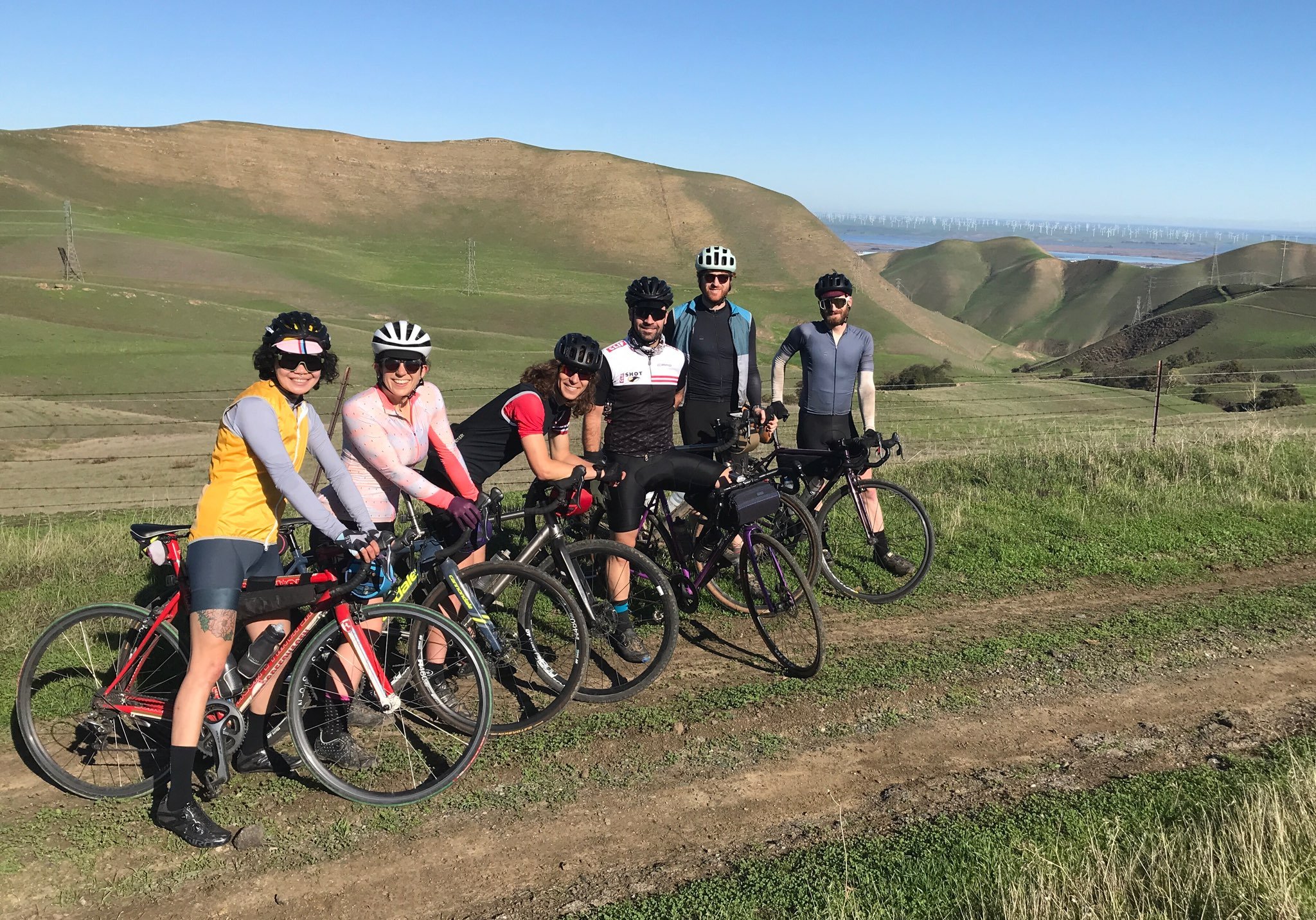


Stretching 6,800 miles, the American Discovery Trail is enjoyed daily by long-distance hikers and bikers as well as a wide variety of users who live near the route and benefit from the convenient location.
Trailblazers often seek out the American Discovery Trail for extended adventures and long-distance journeys. The trail description is divided into four regions: Eastern, North-Central, South-Central, and Western. Since most of our long-distance travelers journey from east to west, these trail descriptions are laid out with that in mind.
Eastern States (1,062 miles) : Delaware, Maryland & D.C, West Virginia, Ohio + Kentucky
North Central Route ( 1,802 miles): Ohio, Northern Indiana + Illinois, Iowa, Nebraska, + NE Colorado
South Central Route ( 1,956 miles): Southern Indiana + Illinois, Missouri, Kansas, + SE Colorado
Western States ( 1,990 miles): Western Colorado, Utah, Nevada, + California
Coast-to-coast, the northern route is approximately 4,844 miles. The southern route is about 5,008 miles. Going cross-country by bicycle is somewhat longer due to the requirement to avoid certain trails and wilderness areas.
Effective 1/1/2026, you can obtain the detailed route data by state, region, or nationwide for free or view a general overview online. The free downloads are made available to you through a gift from Indiana Trails. We also offer free downloads of segments of about 100 miles.
The official route for walkers and for bicycles is available only from our organization.
Your use of the official route and your purchase of a membership help our stewardship of the trail, such as working with local trail managers and putting up signs to clearly mark the trail.
Beware: Portions of the American Discovery Trail pass through remote areas, regions with extreme weather conditions, and along roads that may be used by motorized vehicles. Users of our trail and other trails are advised to be aware of their surroundings and take appropriate precautions.
Note: Some people or entities may promote the American Discovery Trail, but their suggested route may not be the official one. In some instances they have directed users into closed areas, which local land managers objected to and could hinder further trail development. Thus, we request that you use the official route.